
-
Fabco Air
-
Fabco Air
Fabco Air
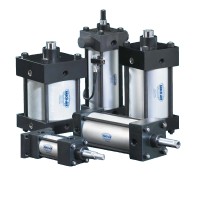
 .ph-category{font-family:Arial,Helvetica,sans-serif;color:#333;line-height:..
 .ph-category{font-family:Arial,Helvetica,sans-serif;color:#333;line-height:..
 .ph-category{font-family:Arial,Helvetica,sans-serif;color:#333;line-height:..
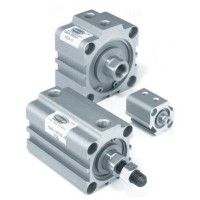 .ph-category{font-family:Arial,Helvetica,sans-serif;color:#333;line-height:..
 .ph-category{font-family:Arial,Helvetica,sans-serif;color:#333;line-height:..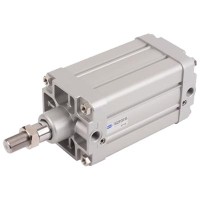

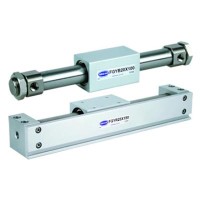 .ph-category{font-family:Arial,Helvetica,sans-serif;color:#333;line-height:..


 .ph-category{font-family:Arial,Helvetica,sans-serif;color:#333;line-height:..
 .ph-category{font-family:Arial,Helvetica,sans-serif;color:#333;line-height:..
 .ph-category{font-family:Arial,Helvetica,sans-serif;color:#333;line-height:..


-
Fabco Air
- ARO Pneumatic
- BEKO Tech
-
Metal Work
-
Metal Work
- Metal Work Pneumatics Actuators
- Metal Work Pneumatics Valves
- Metal Work Pneumatics FRLs
-
Metal Work Pneumatics Fittings
-
Metal Work Pneumatics Accessories
- Metal Work Pneumatics Accessories UNF or NPT Thread and Inch Tubing
- Metal Work Pneumatics Auxiliary Valves
- Metal Work Pneumatics Couplings
- Metal Work Pneumatics Flow Regulator
- Metal Work Pneumatics Line on Line
- Metal Work Pneumatics Stainless Steel Accessories
- Metal Work Pneumatics Various Accessories
- Metal Work Pneumatics Kit Pneumatic Motion
-
Metal Work
- Prevost
-
Pneumatics
- ARO Pneumatic
-
Prevost Pneumatics
-
Prevost Pipe Couplers
- ARO 210 Interchange Prevost Couplers
-
Automotive Interchange Prevost Couplers
- Safety Quick Coupling - 1/4 inch Automotive Interchange
- Regular Quick Coupling 1/4 inch Automotive Interchange
- Plug 1/4 inch Automotive Interchange
- Safety Quick Coupling - 3/8 inch Automotive Interchange
- Regular Quick Coupling 3/8 inch Automotive Interchange
- Plug 3/8 inch Automotive Interchange
- Safety Quick Coupling - 1/2 inch Automotive Interchange
- Plug 1/2 inch Automotive Interchange
- High Flow Interchange Prevost Couplers
-
Industrial Interchange Prevost Couplers
- Safety Quick Coupling - 1/4 inch Industrial Interchange
- Plug 1/4 inch Industrial Interchange
- Regular Quick Coupling 1/4 inch Industrial Interchange
- Safety Quick Coupling - 3/8 inch Industrial Interchange
- Regular Quick Coupling 3/8 inch Industrial Interchange
- Plug 3/8 inch Industrial Interchange
- Safety Quick Coupling - 1/2 inch Industrial Interchange
- Plug 1/2 inch Industrial Interchange
-
Prevost Piping System
- 8mm to 3/8"
- Tube to Tube
- Tube to Tube FNPT
- Unions
- 45 Degree Union Elbows
- 90 Degree Tube to Thread Connectors
- 90 Degree Union Elbows
- End Caps/Plugs
- Sliding Unions
- Union Female Connectors
- Union Male Connectors
- Reducing Branch Tees
- Reducing Unions
- Union Tees
- Union Threaded Tees
- Brass Ball Valves
- PPS1 Tube to FNPT Ball Valves
- PPS1 Tube to MNPT Ball Valves
- PPS1 In-Line Ball Valves
- Lock Kit for Valves
- Expansion Joints
- Bracket for Valves
- PPS1 Aluminum nut
- PPS1 Seal
- PPS1 IP Internal Parts Kit
- Replacement Band
- Mounting Plates
- Aluminum Mono Outlet Manifolds with 1 safety coupler
- Aluminum Double Outlet Manifolds with 2 safety couplers
- Aluminum Threaded Wall Manifolds w/couplers
- Female Threaded Wall Bracket
- Aluminum Threaded Wall Manifolds
- Aluminum Multi Outlet Manifold Manual Drain Metal Supports
- 8mm Threaded Nylon Clamps
- 3/8 - 18 Threaded Nylon Clamps
- 8mm Threaded Metal Hangers with Rubber Gaskets
- 8mm to 3/8" All-Thread Adapter, Beam Clips
- Studs, Screws, Threaded Rod
- Flexible Hoses, MNPT
- Deburring Chamfer Tools
- Tube Cutter
- Lube PPS1 CLE
- Tool Cases
- Drilling tool for header pipe
- Pipe Thread Sealant
- UF Flanges
- PPS1 Wall Links
- Metal Supports
-
Prevost Pipe Couplers
-
Push to Connect Fittings
- Blanking Plugs
-
Plastic Body Push To Connect Fitting
-
Push To Connect Threaded Fittings
-
Push To Connect NPT Thread Fittings
- Male Straight Push To Connect Fitting
- Round Straight Push To Connect Fitting
- Female Straight Push To Connect Fitting
- Male Elbow Push To Connect Fitting
- Extended Male Elbow Push To Connect Fitting
- Female Universal Elbow Push To Connect Fitting
- 45° Male Elbow Push To Connect Fitting
- Female Elbow Push To Connect Fitting
- Branch Tee Push To Connect Fitting
- Run Tee Push To Connect Fitting
- Branch Y Push To Connect Fitting
- Universal Elbow Push To Connect Fitting
- Female Bulkhead Push To Connect Fitting
- Threaded Manifold Push To Connect Fitting
- Push To Connect Universal Thread Fittings
- Push To Connect BSPP (G) Thread Fittings
- Push To Connect BSPT (R) Thread Fittings
-
Push To Connect NPT Thread Fittings
-
Push To Connect Tube Fittings
-
Push To Connect Inch Tube Fittings
- Plug In Elbow Push To Connect Fitting
- Push To Connect Stem Manifold
- Bulkhead Push To Connect Fitting
- Union Straight Push To Connect Fitting
- Union Elbow Push To Connect Fitting
- Union Tee Push To Connect Fitting
- Union Y Push To Connect Fitting
- Union Cross Push To Connect Fitting
- Reducing Union Push To Connect Fitting
- Reducing Tee Push To Connect Fitting
- Reducing Y Push To Connect Fitting
- Plug Push To Connect Fitting
- Nipple Push To Connect Fitting
- Reducing Nipple Push To Connect Fitting
- Plug In Reducer Push To Connect Fitting
- Plug In Y Push To Connect Fitting
- Reducing Elbow Push To Connect Fitting
- Reducing Y Stem Push To Connect Fitting
- Manifold Equal Push To Connect Fitting
- Manifold Unequal Push To Connect Fitting
-
Push To Connect mm Tube Fittings
- Bulkhead Push To Connect Fitting
- Union Straight Push To Connect Fitting
- Union Elbow Push To Connect Fitting
- Union Tee Push To Connect Fitting
- Union Y Push To Connect Fitting
- Union Cross Push To Connect Fitting
- Reducing Union Push To Connect Fitting
- Reducing Tee Push To Connect Fitting
- Reducing Y Push To Connect Fitting
- Plug Push To Connect Fitting
- Nipple Push To Connect Fitting
- Reducing Nipple Push To Connect Fitting
- Plug In Reducer Push To Connect Fitting
- Plug In Y Push To Connect Fitting
- Plug In Elbow Push To Connect Fitting
- Reducing Elbow Push To Connect Fitting
- Reducing Y Stem Push To Connect Fitting
- Manifold Equal Push To Connect Fitting
- Manifold Unequal Push To Connect Fitting
- Stem Manifold Push To Connect Fitting
-
Push To Connect Inch Tube Fittings
-
Push To Connect Threaded Fittings
-
Stainless Steel Push In Fittings
-
All Metal Body Push To Connect Fitting
- Flow Controls Push To Connect Fitting
- Push to Connect Fittings Chests
- Accessories
-
Tubing and Hose
-
Coiled Hose
- STOWAWAY™ Heavy-Duty Nylon Air Hose
- Twin Bonded Nylon Air Hose
- Nylon Hose Fittings
-
FLEXCOIL® Polyurethane Air Hose
- FLEXCOIL® Assemblies with Quick Disconnects
- FLEXCOIL® Replacement Fittings
-
FLEXEEL® Polyurethane Reinforced Coiled Air Hose
-
FLEXEEL® Polyurethane Reinforced Coiled Air Hose Transparent Blue
- FLEXEEL® Polyurethane Reinforced Coiled Air Hose Transparent Blue - 10 Foot
- FLEXEEL® Polyurethane Reinforced Coiled Air Hose Transparent Blue - 15 Foot
- FLEXEEL® Polyurethane Reinforced Coiled Air Hose Transparent Blue - 20 Foot
- FLEXEEL® Polyurethane Reinforced Coiled Air Hose Transparent Blue - 25 and 50 Foot
-
FLEXEEL® Polyurethane Reinforced Coiled Air Hose Transparent Red
- FLEXEEL® Polyurethane Reinforced Coiled Air Hose Transparent Red - 10 Foot
- FLEXEEL® Polyurethane Reinforced Coiled Air Hose Transparent Red - 15 Foot
- FLEXEEL® Polyurethane Reinforced Coiled Air Hose Transparent Red - 20 Foot
- FLEXEEL® Polyurethane Reinforced Coiled Air Hose Transparent Red - 25 and 50 Foot
-
FLEXEEL® Polyurethane Reinforced Coiled Air Hose Transparent Yellow
- FLEXEEL® Polyurethane Reinforced Coiled Air Hose Transparent Yellow - 10 Foot
- FLEXEEL® Polyurethane Reinforced Coiled Air Hose Transparent Yellow - 15 Foot
- FLEXEEL® Polyurethane Reinforced Coiled Air Hose Transparent Yellow - 20 Foot
- FLEXEEL® Polyurethane Reinforced Coiled Air Hose Transparent Yellow - 25 Foot
-
FLEXEEL® Polyurethane Reinforced Coiled Air Hose Transparent Blue
-
Plastic Tubing
- Multi-Color Ribbon Tubing
- Nylon Tubing
-
Polyurethane Tubing
- Polyurethane Tubing Blue
- Polyurethane Tubing Gray
- Polyurethane Tubing White
- Polyurethane Tubing Black
- Polyurethane Tubing Clear
- Polyurethane Tubing Red
- Polyurethane Tubing Yellow
- Polyurethane Tubing Purple
- Polyurethane Tubing Orange
- Polyurethane Tubing Transparent Blue
- Polyurethane Tubing Transparent Yellow
- Polyurethane Tubing Transparent Red
- Polyurethane Tubing Transparent Orange
- Polyethylene Tubing
- Polyvinyl (PVC) Tubing
- Spark-Lin™ Weld Spatter Resistant Tubing
- D.O.T. Tubing
- Tubing & Hose Cutters
- Tube Channels
-
Straight Hose
-
FLEXEEL® MAX Reinforced Polyurethane Straight Hose
- FLEXEEL® Reinforced Polyurethane Straight Hose With Reusable Strain Relief Fitting Transparent Blue
- FLEXEEL® Reinforced Polyurethane Straight Hose With Reusable Strain Relief Fitting Transparent Red
- FLEXEEL® Reinforced Polyurethane Straight Hose With Reusable Strain Relief Fitting Transparent Yellow
-
FLEXEEL® Reinforced Polyurethane Straight Hose
-
FLEXEEL® Reinforced Polyurethane Straight Hose With Reusable Strain Relief Fitting
- FLEXEEL® Reinforced Polyurethane Straight Hose With Reusable Strain Relief Fitting Transparent Blue
- FLEXEEL® Reinforced Polyurethane Straight Hose With Reusable Strain Relief Fitting Transparent Red
- FLEXEEL® Reinforced Polyurethane Straight Hose With Reusable Strain Relief Fitting Transparent Yellow
-
FLEXEEL® Reinforced Polyurethane Straight Hose With Quick Disconnect Fitting
- FLEXEEL® Reinforced Polyurethane Straight Hose With 1/4 Quick Disconnect Fitting Transparent Blue
- FLEXEEL® Reinforced Polyurethane Straight Hose With 1/4 Quick Disconnect Fitting Transparent Red
- FLEXEEL® Reinforced Polyurethane Straight Hose With 1/4 Quick Disconnect Fitting Transparent Yellow
- FLEXEEL® Reinforced Polyurethane Straight Hose With 3/8 Quick Disconnect Fitting Transparent Blue
- FLEXEEL® Reinforced Polyurethane Straight Hose With 3/8 Quick Disconnect Fitting Transparent Red
- FLEXEEL® Reinforced Polyurethane Straight Hose With 3/8 Quick Disconnect Fitting Transparent Yellow
-
FLEXEEL® Reinforced Polyurethane Straight Hose With Reusable Strain Relief and Quick Disconnect Fitting
- FLEXEEL® Reinforced Polyurethane Straight Hose With Reusable Strain Relief and Quick Disconnect Fitting Transparent Blue
- FLEXEEL® Reinforced Polyurethane Straight Hose With Reusable Strain Relief and Quick Disconnect Fitting Transparent Red
- FLEXEEL® Reinforced Polyurethane Straight Hose With Reusable Strain Relief and Quick Disconnect Fitting Transparent Yellow
- FLEXEEL® Reinforced Polyurethane Straight Hose No Fittings
- FLEXEEL® Reinforced Polyurethane Straight Hose With Reusable Fitting
-
FLEXEEL® Reinforced Polyurethane Straight Hose With Reusable Strain Relief Fitting
- Water FLEXEEL® Industrial Polyurethane Hose
- Heavy-Duty Neoprene Hose
- Thermoplastic Hose
- Lock-On Rubber Hose & Fittings
- Ball Swivel Lead-In Hose
- Pigtail Assemblies
- Hose Ferrules
- Clamps, Installation & Removal Tools
-
FLEXEEL® MAX Reinforced Polyurethane Straight Hose
-
Couplers and Connectors
- Coilflow™ Six Ball Couplers
- Coilflow™ Automatic Industrial Interchange
- Coilflow™ Automatic Combo Couplers, Industrial & Acme Interchange
- Coilflow™ Industrial Interchange
- Coilflow™ Automotive Tru-Flate Interchange
- Coilflow™ Lincoln Interchange
- Coilflow™ Acme Interchange
- Coilflow™ ARO Interchange
- Ball Swivel Connectors
- Megaflow™ Automatic High Flow Couplers and Connectors
- Non-Marring Composite Couplers
- Micro Couplers
- Steel Couplers & Connectors
- Coilflow™ Automatic Universal Couplers
- Straight Through Couplers & Connectors
- Coilflow™ Contractors Water Hose Series
- Moldflow™ Couplers & Connectors
-
Blow Guns and Tips
- 600 Series Blow Guns
- 600 Premium Blow Guns
- High Volume Air Flow Blow Guns
- Air Bullet™ Blow Guns
- Button Blow Guns
- CEG Blow Gun
- Redi-Burst Pocket Blow Gun
- In-Line Blow Guns
- 700 Series Blow Guns
- 770 Series Pistol Grip Blow Guns
- Typhoon® High Volume Blow Guns and Tips
- Typhoon® Pro High Volume Blow Gun
- Blow Gun Kits
- Blow Gun Replacement Tips
- Needle Blow Gun Tips
-
Coiled Hose
- Flow Controls Push To Connect Fitting
- Airline Filter Regulator Lubricator
-
Pneumatic Control Valves
-
Air Pneumatic Control Valves
- Angle Seat Valves
- Brass Process Air Steam Valves
- Brass Process Solenoid Valves
- Plastic Body Process Air Steam Valves
- Pneumatic Air Pilot Control Valves
- Pneumatic Automatic Valves
- Pneumatic Manual Operated Valves
- Solenoid Spool Control Valves
- Stainless Steel Process Air Steam Valves
- Stainless Steel Process Solenoid Valves
-
Air Pneumatic Control Valves
- Pneumatic Mufflers and Silencers
- Cox Hose Reels
-
Gauges
- 100 Series – Utility Gauges
- 200 Series Stainless Steel Case, Brass Internals
- PRO 200 Series – Stainless and Brass Gauges
- 300 Series – Stainless Steel Gauges
- 115D Series – Plumbing and HVAC Gauges
- 4000 Series – Heavy Duty Gauges
- 6000 Series – Heavy Duty Gauges
- CONTRACTOR SERIES
- LP Series – Low Pressure Gauges
- Digital Gauges
-
Vacuum Products
-
Stainless Steel
- Stainless Steel Ball Valves
-
Tri Clamp Fittings
- Tri-Clover Clamp
- Tri-Clover High Pressure Clamps
- Tri-Clover Double Pin Clamps
- Tri-Clamp Ferrules
- Tri-Clamp Caps
- Tri-Clamp Caps with Threads
- Tri-Clamps Caps with Cut Outs
- Tri-Clamp Elbows
- Tri-Clamp Tee's
- Tri-Clamp Cross
- Tri-Clamp Extention Tubes
- Tri-Clamp Fittting by 90 Degree Hose Barb
- TC Ball Valves
- EZ Clean Tri-Clamp Valves
- Tri-Clamp Butterfly Valves - Squeeze Trigger
- Tri-Clamp Butterfly Valves - Pull Trigger
- Sample Valve
- Tri-Clamp Fitting by MNPT
- Tri-Camp Concentric Reducers
- Tri-Clamp Fitting by FNPT
- Tri-Clamp Fitting by Hose Barb
-
Brewery and Winery Products
- Thermometers
- Threaded Sight Glass (Weldless)
- Threaded Spray Balls
- Thermowells (1/2 NPT)
- Oxygen Stones and Aeration Wands
- Pickup Tubes (1/2" MNPT )
- Locknuts (NPS Thread)
- Weldless Fittings
- Washers
- O-Rings and Gaskets
- Compression Fittings
- Bulk Head Fittings
- Silicon Tubing (Food Grade Hose)
- Pumps
- Tri-Clamp Sight Gauge
- Tri-Clamp CIP Spray Balls
- Tri-Clamp Thermowell
- Tri-Clamp Pressure Gauge
- Tri-Clamp Element Adaptor
- Carbonation Stone
- Rotating Racking Arm
- Tri-Clamp by NPT Thread Inside/Outside
- Tri-Clamp by Garden Hose Thread
- Tri-Clamp by Beer Nut Thread
- Tri-Clamp by Quick Disconnect
- Weld Parts
- Tri-Clamp Gaskets
- Camlock Gaskets
- Threaded Fittings
-
Fabco Air
-
Fabco Air
Fabco Air
.ph-category{font-family:Arial,Helvetica,sans-serif;color:#333;line-height:..
.ph-category{font-family:Arial,Helvetica,sans-serif;color:#333;line-height:..
.ph-category{font-family:Arial,Helvetica,sans-serif;color:#333;line-height:..
.ph-category{font-family:Arial,Helvetica,sans-serif;color:#333;line-height:..
.ph-category{font-family:Arial,Helvetica,sans-serif;color:#333;line-height:..
.ph-category{font-family:Arial,Helvetica,sans-serif;color:#333;line-height:..
.ph-category{font-family:Arial,Helvetica,sans-serif;color:#333;line-height:..
.ph-category{font-family:Arial,Helvetica,sans-serif;color:#333;line-height:..
.ph-category{font-family:Arial,Helvetica,sans-serif;color:#333;line-height:..
.ph-category{font-family:Arial,Helvetica,sans-serif;color:#333;line-height:..
.ph-category{font-family:Arial,Helvetica,sans-serif;color:#333;line-height:..
.ph-category{font-family:Arial,Helvetica,sans-serif;color:#333;line-height:..
.ph-category{font-family:Arial,Helvetica,sans-serif;color:#333;line-height:..
.ph-category{font-family:Arial,Helvetica,sans-serif;color:#333;line-height:..
.ph-category{font-family:Arial,Helvetica,sans-serif;color:#333;line-height:..
.ph-category{font-family:Arial,Helvetica,sans-serif;color:#333;line-height:..
.ph-category{font-family:Arial,Helvetica,sans-serif;color:#333;line-height:..
.ph-category{font-family:Arial,Helvetica,sans-serif;color:#333;line-height:..
.ph-category{font-family:Arial,Helvetica,sans-serif;color:#333;line-height:..
.ph-category{font-family:Arial,Helvetica,sans-serif;color:#333;line-height:..
.ph-category{font-family:Arial,Helvetica,sans-serif;color:#333;line-height:..
.ph-category{font-family:Arial,Helvetica,sans-serif;color:#333;line-height:..
-
Fabco Air


