






4-6 Weeks
Availability: 4-6 Weeks
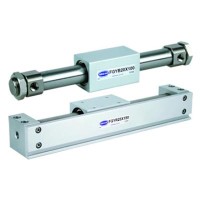
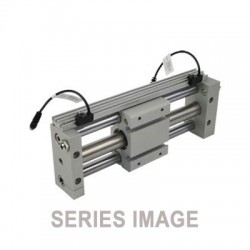
Fabco Air FGYS Magnetically Coupled Rodless SlideThe external slider is magnetically coupled to the ..
Ships from Gainsville, FL
4-6 Weeks
$295.71
4-6 Weeks
Availability: 4-6 Weeks
Fabco Air FGYS Magnetically Coupled Rodless SlideThe external slider is magnetically coupled to the ..
Ships from Gainsville, FL
4-6 Weeks
$323.24
4-6 Weeks
Availability: 4-6 Weeks
Fabco Air FGYS Magnetically Coupled Rodless SlideThe external slider is magnetically coupled to the ..
Ships from Gainsville, FL
4-6 Weeks
$346.18
4-6 Weeks
Availability: 4-6 Weeks
Fabco Air FGYS Magnetically Coupled Rodless SlideThe external slider is magnetically coupled to the ..
Ships from Gainsville, FL
4-6 Weeks
$358.00
4-6 Weeks
Availability: 4-6 Weeks
Fabco Air FGYS Magnetically Coupled Rodless SlideThe external slider is magnetically coupled to the ..
Ships from Gainsville, FL
4-6 Weeks
$370.00
4-6 Weeks
Availability: 4-6 Weeks
Fabco Air FGYS Magnetically Coupled Rodless SlideThe external slider is magnetically coupled to the ..
Ships from Gainsville, FL
4-6 Weeks
$384.00
4-6 Weeks
Availability: 4-6 Weeks
Fabco Air FGYS Magnetically Coupled Rodless SlideThe external slider is magnetically coupled to the ..
Ships from Gainsville, FL
4-6 Weeks
$395.82
4-6 Weeks
Availability: 4-6 Weeks
Fabco Air FGYS Magnetically Coupled Rodless SlideThe external slider is magnetically coupled to the ..
Ships from Gainsville, FL
4-6 Weeks
$421.88
4-6 Weeks
Availability: 4-6 Weeks
Fabco Air FGYS Magnetically Coupled Rodless SlideThe external slider is magnetically coupled to the ..
Ships from Gainsville, FL
4-6 Weeks
$332.24
4-6 Weeks
Availability: 4-6 Weeks
Fabco Air FGYS Magnetically Coupled Rodless SlideThe external slider is magnetically coupled to the ..
Ships from Gainsville, FL
4-6 Weeks
$447.65
4-6 Weeks
Availability: 4-6 Weeks
Fabco Air FGYS Magnetically Coupled Rodless SlideThe external slider is magnetically coupled to the ..
Ships from Gainsville, FL
4-6 Weeks
$429.76
4-6 Weeks
Availability: 4-6 Weeks
Fabco Air FGYS Magnetically Coupled Rodless SlideThe external slider is magnetically coupled to the ..
Ships from Gainsville, FL
4-6 Weeks
$497.35
4-6 Weeks
Availability: 4-6 Weeks
Fabco Air FGYS Magnetically Coupled Rodless SlideThe external slider is magnetically coupled to the ..
Ships from Gainsville, FL
4-6 Weeks
$513.29
4-6 Weeks
Availability: 4-6 Weeks
Fabco Air FGYS Magnetically Coupled Rodless SlideThe external slider is magnetically coupled to the ..
Ships from Gainsville, FL
4-6 Weeks
$547.12
4-6 Weeks
Availability: 4-6 Weeks
Fabco Air FGYS Magnetically Coupled Rodless SlideThe external slider is magnetically coupled to the ..
Ships from Gainsville, FL
4-6 Weeks
$565.00
4-6 Weeks
Availability: 4-6 Weeks
Fabco Air FGYS Magnetically Coupled Rodless SlideThe external slider is magnetically coupled to the ..
Ships from Gainsville, FL
4-6 Weeks
$582.06
4-6 Weeks
Availability: 4-6 Weeks
Fabco Air FGYS Magnetically Coupled Rodless SlideThe external slider is magnetically coupled to the ..
Ships from Gainsville, FL
4-6 Weeks
$646.41
4-6 Weeks
Availability: 4-6 Weeks
Fabco Air FGYS Magnetically Coupled Rodless SlideThe external slider is magnetically coupled to the ..
Ships from Gainsville, FL
4-6 Weeks
$807.94
4-6 Weeks
Availability: 4-6 Weeks
Fabco Air FGYS Magnetically Coupled Rodless SlideThe external slider is magnetically coupled to the ..
Ships from Gainsville, FL
4-6 Weeks
$825.18
4-6 Weeks
Availability: 4-6 Weeks
Fabco Air FGYS Magnetically Coupled Rodless SlideThe external slider is magnetically coupled to the ..
Ships from Gainsville, FL
4-6 Weeks
$893.35
4-6 Weeks
Availability: 4-6 Weeks
Fabco Air FGYS Magnetically Coupled Rodless SlideThe external slider is magnetically coupled to the ..
Ships from Gainsville, FL
4-6 Weeks
$959.94
4-6 Weeks
Availability: 4-6 Weeks
Fabco Air FGYS Magnetically Coupled Rodless SlideThe external slider is magnetically coupled to the ..
Ships from Gainsville, FL
4-6 Weeks
$551.06
4-6 Weeks
Availability: 4-6 Weeks
Fabco Air FGYS Magnetically Coupled Rodless SlideThe external slider is magnetically coupled to the ..
Ships from Gainsville, FL
4-6 Weeks
$584.88
4-6 Weeks
Availability: 4-6 Weeks
Fabco Air FGYS Magnetically Coupled Rodless SlideThe external slider is magnetically coupled to the ..
Ships from Gainsville, FL
4-6 Weeks
$602.76
4-6 Weeks
Availability: 4-6 Weeks
Fabco Air FGYS Magnetically Coupled Rodless SlideThe external slider is magnetically coupled to the ..
Ships from Gainsville, FL
4-6 Weeks
$638.59
4-6 Weeks
Availability: 4-6 Weeks
Fabco Air FGYS Magnetically Coupled Rodless SlideThe external slider is magnetically coupled to the ..
Ships from Gainsville, FL
4-6 Weeks
$705.12
4-6 Weeks
Availability: 4-6 Weeks
Fabco Air FGYS Magnetically Coupled Rodless SlideThe external slider is magnetically coupled to the ..
Ships from Gainsville, FL
4-6 Weeks
$740.06
4-6 Weeks
Availability: 4-6 Weeks
Fabco Air FGYS Magnetically Coupled Rodless SlideThe external slider is magnetically coupled to the ..
Ships from Gainsville, FL
4-6 Weeks
$796.41
4-6 Weeks
Availability: 4-6 Weeks
Fabco Air FGYS Magnetically Coupled Rodless SlideThe external slider is magnetically coupled to the ..
Ships from Gainsville, FL
4-6 Weeks
$1,173.59
4-6 Weeks
Availability: 4-6 Weeks
Fabco Air FGYS Magnetically Coupled Rodless SlideThe external slider is magnetically coupled to the ..
Ships from Gainsville, FL
4-6 Weeks
$841.94
4-6 Weeks
Availability: 4-6 Weeks
Fabco Air FGYS Magnetically Coupled Rodless SlideThe external slider is magnetically coupled to the ..
Ships from Gainsville, FL
4-6 Weeks
$889.71
4-6 Weeks
Availability: 4-6 Weeks
Fabco Air FGYS Magnetically Coupled Rodless SlideThe external slider is magnetically coupled to the ..
Ships from Gainsville, FL
4-6 Weeks
$935.24
4-6 Weeks
Availability: 4-6 Weeks
Fabco Air FGYS Magnetically Coupled Rodless SlideThe external slider is magnetically coupled to the ..
Ships from Gainsville, FL
4-6 Weeks
$959.06
4-6 Weeks
Availability: 4-6 Weeks
Fabco Air FGYS Magnetically Coupled Rodless SlideThe external slider is magnetically coupled to the ..
Ships from Gainsville, FL
4-6 Weeks
$982.94
4-6 Weeks
Availability: 4-6 Weeks
Fabco Air FGYS Magnetically Coupled Rodless SlideThe external slider is magnetically coupled to the ..
Ships from Gainsville, FL
4-6 Weeks
$1,557.41
4-6 Weeks
Availability: 4-6 Weeks
Fabco Air FGYS Magnetically Coupled Rodless SlideThe external slider is magnetically coupled to the ..
Ships from Gainsville, FL
4-6 Weeks
$1,734.47