






4-6 Weeks
Availability: 4-6 Weeks
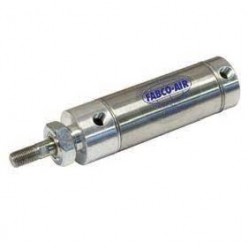
Fabco Air F-Series, Round Body Cylinder, 1-1/4" Bore"F" Series Cylinders are directly interchangeabl..
Ships from Gainsville, FL
4-6 Weeks
$55.65
4-6 Weeks
Availability: 4-6 Weeks
Fabco Air F-Series, Round Body Cylinder, 1-1/4" Bore"F" Series Cylinders are directly interchangeabl..
Ships from Gainsville, FL
4-6 Weeks
$68.00
4-6 Weeks
Availability: 4-6 Weeks
Fabco Air F-Series, Round Body Cylinder, 1-1/4" Bore"F" Series Cylinders are directly interchangeabl..
Ships from Gainsville, FL
4-6 Weeks
$77.47
4-6 Weeks
Availability: 4-6 Weeks
Fabco Air F-Series, Round Body Cylinder, 1-1/4" Bore"F" Series Cylinders are directly interchangeabl..
Ships from Gainsville, FL
4-6 Weeks
$57.35
4-6 Weeks
Availability: 4-6 Weeks
Fabco Air F-Series, Round Body Cylinder, 1-1/4" Bore"F" Series Cylinders are directly interchangeabl..
Ships from Gainsville, FL
4-6 Weeks
$57.35
4-6 Weeks
Availability: 4-6 Weeks
Fabco Air F-Series, Round Body Cylinder, 1-1/4" Bore"F" Series Cylinders are directly interchangeabl..
Ships from Gainsville, FL
4-6 Weeks
$77.53
4-6 Weeks
Availability: 4-6 Weeks
Fabco Air F-Series, Round Body Cylinder, 1-1/4" Bore"F" Series Cylinders are directly interchangeabl..
Ships from Gainsville, FL
4-6 Weeks
$57.35
4-6 Weeks
Availability: 4-6 Weeks
Fabco Air F-Series, Round Body Cylinder, 1-1/4" Bore"F" Series Cylinders are directly interchangeabl..
Ships from Gainsville, FL
4-6 Weeks
$65.24
4-6 Weeks
Availability: 4-6 Weeks
Fabco Air F-Series, Round Body Cylinder, 1-1/4" Bore"F" Series Cylinders are directly interchangeabl..
Ships from Gainsville, FL
4-6 Weeks
$69.71
4-6 Weeks
Availability: 4-6 Weeks
Fabco Air F-Series, Round Body Cylinder, 1-1/4" Bore"F" Series Cylinders are directly interchangeabl..
Ships from Gainsville, FL
4-6 Weeks
$77.53
4-6 Weeks
Availability: 4-6 Weeks
Fabco Air F-Series, Round Body Cylinder, 1-1/4" Bore"F" Series Cylinders are directly interchangeabl..
Ships from Gainsville, FL
4-6 Weeks
$59.00
4-6 Weeks
Availability: 4-6 Weeks
Fabco Air F-Series, Round Body Cylinder, 1-1/4" Bore"F" Series Cylinders are directly interchangeabl..
Ships from Gainsville, FL
4-6 Weeks
$57.35
4-6 Weeks
Availability: 4-6 Weeks
Fabco Air F-Series, Round Body Cylinder, 1-1/4" Bore"F" Series Cylinders are directly interchangeabl..
Ships from Gainsville, FL
4-6 Weeks
$59.06
4-6 Weeks
Availability: 4-6 Weeks
Fabco Air F-Series, Round Body Cylinder, 1-1/4" Bore"F" Series Cylinders are directly interchangeabl..
Ships from Gainsville, FL
4-6 Weeks
$79.24
4-6 Weeks
Availability: 4-6 Weeks
Fabco Air F-Series, Round Body Cylinder, 1-1/4" Bore"F" Series Cylinders are directly interchangeabl..
Ships from Gainsville, FL
4-6 Weeks
$59.06
4-6 Weeks
Availability: 4-6 Weeks
Fabco Air F-Series, Round Body Cylinder, 1-1/4" Bore"F" Series Cylinders are directly interchangeabl..
Ships from Gainsville, FL
4-6 Weeks
$80.41
4-6 Weeks
Availability: 4-6 Weeks
Fabco Air F-Series, Round Body Cylinder, 1-1/4" Bore"F" Series Cylinders are directly interchangeabl..
Ships from Gainsville, FL
4-6 Weeks
$60.76
4-6 Weeks
Availability: 4-6 Weeks
Fabco Air F-Series, Round Body Cylinder, 1-1/4" Bore"F" Series Cylinders are directly interchangeabl..
Ships from Gainsville, FL
4-6 Weeks
$68.65
4-6 Weeks
Availability: 4-6 Weeks
Fabco Air F-Series, Round Body Cylinder, 1-1/4" Bore"F" Series Cylinders are directly interchangeabl..
Ships from Gainsville, FL
4-6 Weeks
$64.06
4-6 Weeks
Availability: 4-6 Weeks
Fabco Air F-Series, Round Body Cylinder, 1-1/4" Bore"F" Series Cylinders are directly interchangeabl..
Ships from Gainsville, FL
4-6 Weeks
$60.76
4-6 Weeks
Availability: 4-6 Weeks
Fabco Air F-Series, Round Body Cylinder, 1-1/4" Bore"F" Series Cylinders are directly interchangeabl..
Ships from Gainsville, FL
4-6 Weeks
$62.47
4-6 Weeks
Availability: 4-6 Weeks
Fabco Air F-Series, Round Body Cylinder, 1-1/4" Bore"F" Series Cylinders are directly interchangeabl..
Ships from Gainsville, FL
4-6 Weeks
$74.82
4-6 Weeks
Availability: 4-6 Weeks
Fabco Air F-Series, Round Body Cylinder, 1-1/4" Bore"F" Series Cylinders are directly interchangeabl..
Ships from Gainsville, FL
4-6 Weeks
$82.65
4-6 Weeks
Availability: 4-6 Weeks
Fabco Air F-Series, Round Body Cylinder, 1-1/4" Bore"F" Series Cylinders are directly interchangeabl..
Ships from Gainsville, FL
4-6 Weeks
$84.35
4-6 Weeks
Availability: 4-6 Weeks
Fabco Air F-Series, Round Body Cylinder, 1-1/4" Bore"F" Series Cylinders are directly interchangeabl..
Ships from Gainsville, FL
4-6 Weeks
$64.18
4-6 Weeks
Availability: 4-6 Weeks
Fabco Air F-Series, Round Body Cylinder, 1-1/4" Bore"F" Series Cylinders are directly interchangeabl..
Ships from Gainsville, FL
4-6 Weeks
$72.06
4-6 Weeks
Availability: 4-6 Weeks
Fabco Air F-Series, Round Body Cylinder, 1-1/4" Bore"F" Series Cylinders are directly interchangeabl..
Ships from Gainsville, FL
4-6 Weeks
$76.53
4-6 Weeks
Availability: 4-6 Weeks
Fabco Air F-Series, Round Body Cylinder, 1-1/4" Bore"F" Series Cylinders are directly interchangeabl..
Ships from Gainsville, FL
4-6 Weeks
$65.82
4-6 Weeks
Availability: 4-6 Weeks
Fabco Air F-Series, Round Body Cylinder, 1-1/4" Bore"F" Series Cylinders are directly interchangeabl..
Ships from Gainsville, FL
4-6 Weeks
$65.88
4-6 Weeks
Availability: 4-6 Weeks
Fabco Air F-Series, Round Body Cylinder, 1-1/4" Bore"F" Series Cylinders are directly interchangeabl..
Ships from Gainsville, FL
4-6 Weeks
$86.06
4-6 Weeks
Availability: 4-6 Weeks
Fabco Air F-Series, Round Body Cylinder, 1-1/4" Bore"F" Series Cylinders are directly interchangeabl..
Ships from Gainsville, FL
4-6 Weeks
$72.47
4-6 Weeks
Availability: 4-6 Weeks
Fabco Air F-Series, Round Body Cylinder, 1-1/4" Bore"F" Series Cylinders are directly interchangeabl..
Ships from Gainsville, FL
4-6 Weeks
$67.59
4-6 Weeks
Availability: 4-6 Weeks
Fabco Air F-Series, Round Body Cylinder, 1-1/4" Bore"F" Series Cylinders are directly interchangeabl..
Ships from Gainsville, FL
4-6 Weeks
$75.47
4-6 Weeks
Availability: 4-6 Weeks
Fabco Air F-Series, Round Body Cylinder, 1-1/4" Bore"F" Series Cylinders are directly interchangeabl..
Ships from Gainsville, FL
4-6 Weeks
$88.94
4-6 Weeks
Availability: 4-6 Weeks
Fabco Air F-Series, Round Body Cylinder, 1-1/4" Bore"F" Series Cylinders are directly interchangeabl..
Ships from Gainsville, FL
4-6 Weeks
$87.76
4-6 Weeks
Availability: 4-6 Weeks
Fabco Air F-Series, Round Body Cylinder, 1-1/4" Bore"F" Series Cylinders are directly interchangeabl..
Ships from Gainsville, FL
4-6 Weeks
$75.47